
In this guide
Understanding typical costs early in the process helps you plan confidently and avoid surprises later. This guide provides a simple overview of the main cost areas involved in building a cabin and how different choices may influence overall spend.
Core Structure
Each cabin is built using a modular system designed for clarity, accuracy, and ease of installation. These materials work together to create a solid, long-lasting structure suitable for year-round use when insulated. The main structural components include:
Timber Framework
Strong, reliable, and sustainably sourced.
Pre-Cut Wall and Floor Panels
Supplied ready for assembly, ensuring consistency in build quality.
Breather Membrane and Battens
Used to manage moisture and airflow within the structure
Insulated or Uninsulated Options
Depending on how you plan to use the space, you can select a shell-only kit or a fully insulated system.
Exterior Cladding Options
The exterior finish affects weather protection, maintenance, and overall aesthetic. Both finishes can be selected to suit the surrounding landscape and personal preference. Common choices include:
Corrugated Steel
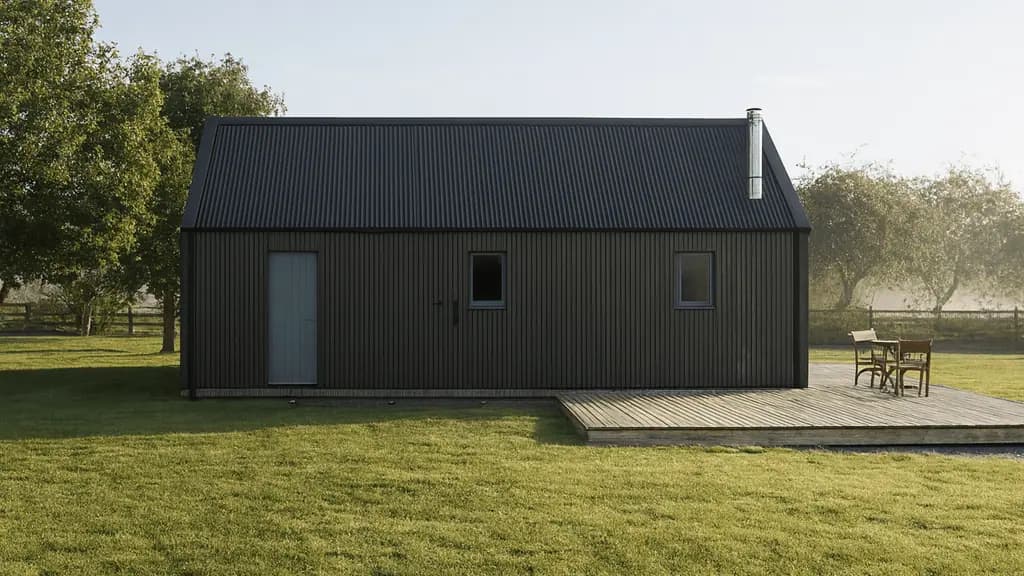
Durable, low-maintenance, and well suited to varied climates.
Timber Cladding (By Client or Local Contractor)
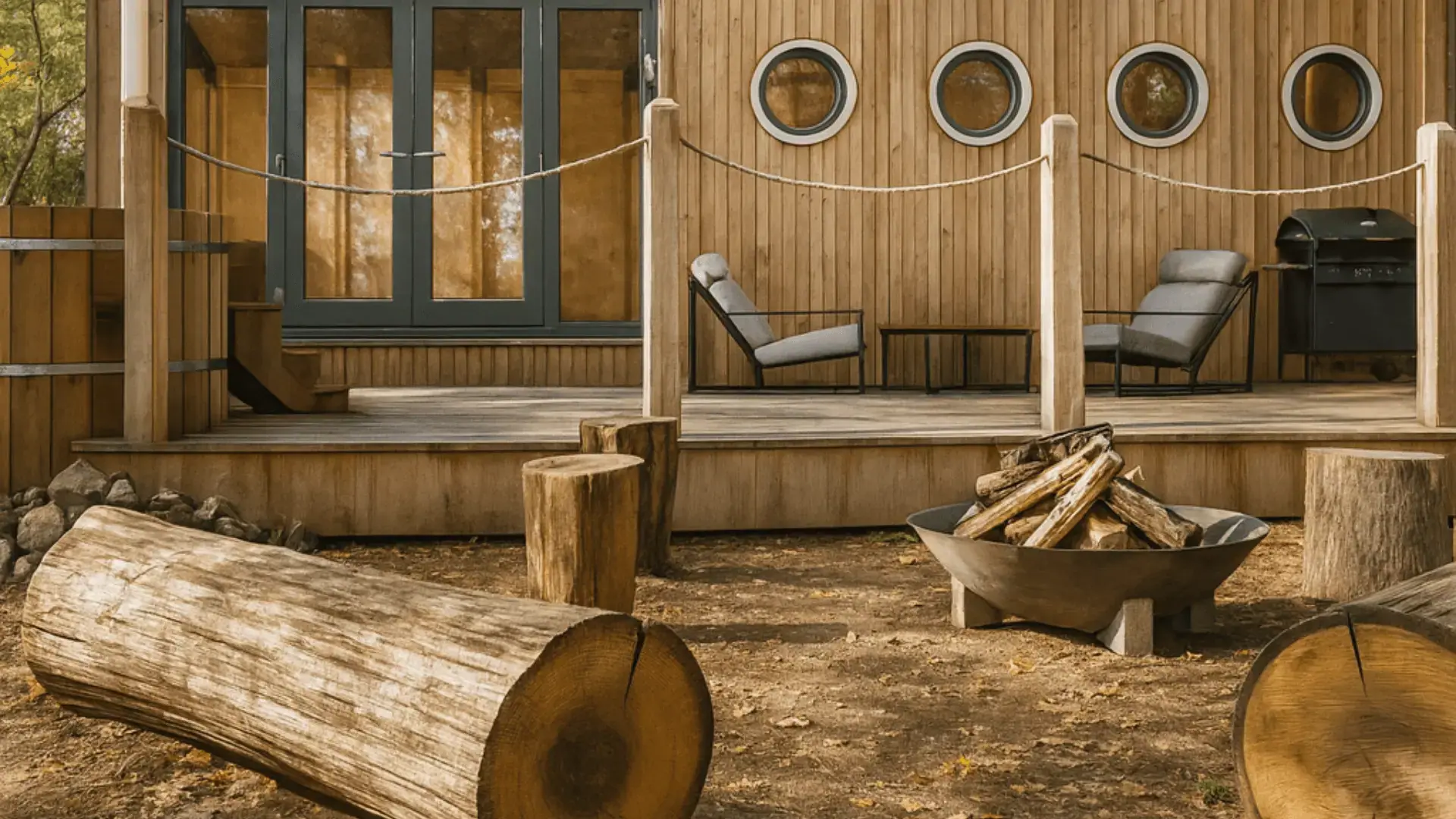
Offers a natural finish that can weather gently or be maintained to retain colour and tone.
Doors and Windows
Doors and windows are specified separately, allowing flexibility in performance and style.
- Double glazing is recommended for comfort and energy efficiency.
- Frame material and style can be chosen to complement cladding and interior character.
- Positioning can significantly influence natural light and ventilation.
Where You Can Keep Costs Efficient
A cabin can evolve over time without affecting structure or function.
- Reuse or repurpose interior furnishings
- Keep the layout simple
- Delay non-essential upgrades
- Choose finishes that are easy to install and maintain
Interior Finishes
Once the external structure is complete, the interior is flexible and can evolve over time. There is no fixed approach: interior decisions can follow function, budget, and aesthetic preference. Common internal materials include:
Timber Linings
For a warm, natural feel
Painted Surfaces
For a light, contemporary look
Simple Storage or Integrated Shelving
To maximise usable space
Flooring Options
Such as timber, laminate, cork, or engineered alternatives
Ventilation and Moisture Control
Good airflow supports long-term performance. Attention to ventilation helps maintain a healthy, balanced internal environment.
- Allow for ventilation pathways behind cladding.
- Ensure appropriate sealing around windows and external connections.
- Plan interior airflow, especially when using heating or running utilities.
Durability and Maintenance
Most exterior materials require minimal upkeep.
- Steel cladding requires very little ongoing care.
- Timber cladding may require oiling or treatment depending on climate and desired finish.
- Interior finishes can be refreshed or adapted easily over time.
If you’d like support with your project, you’re welcome to get in touch at cabanco.co.uk/contact.