
In this guide
Building a cabin offers an opportunity to create a space that feels connected to its surroundings and designed with long-term responsibility in mind. This guide outlines simple considerations to help you make sustainable choices throughout the project.
Material Choices
Choosing durable, natural materials supports both environmental responsibility and long-term performance. Where possible, choose materials designed to age well rather than require frequent replacement.
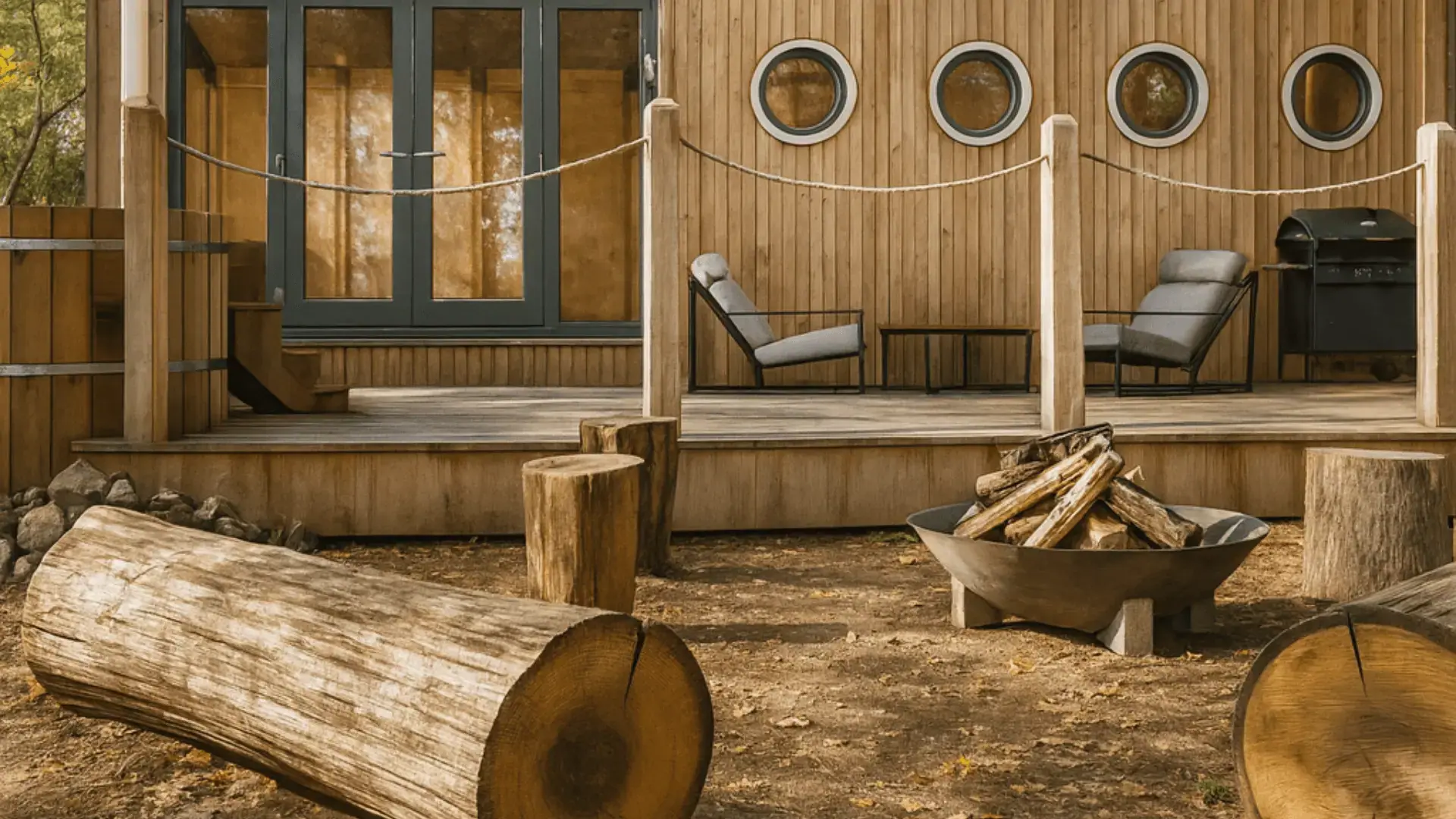
Timber construction provides a renewable structural base
Selecting responsibly sourced materials helps reduce environmental impact
Using long-lasting exterior finishes reduces maintenance and waste
Efficient Construction
A modular approach helps minimise waste. Working efficiently helps keep the project low-impact.
Components are manufactured to set dimensions, reducing offcuts and unnecessary disposal
Standard tools and clear assembly minimise disruption to the site
The build process supports accurate use of materials without overordering
Energy Performance
Planning for energy efficiency improves comfort and reduces long-term running costs. Efficient use of energy supports both sustainability and daily comfort.
Effective insulation supports temperature stability
High-quality doors and windows help retain heat
Heating systems can be selected based on intended use and energy preference
Ventilation and Moisture Management
A balanced internal environment contributes to long-term performance. Ventilation is essential to both sustainability and well-being.
Ventilation helps manage moisture and indoor air quality
Thoughtful airflow can reduce reliance on mechanical systems
Good building practice supports durability and comfort
Responsibility to the Site
Small, considered choices help the cabin sit gently within its landscape. A cabin that feels part of its environment requires less intervention and maintenance.
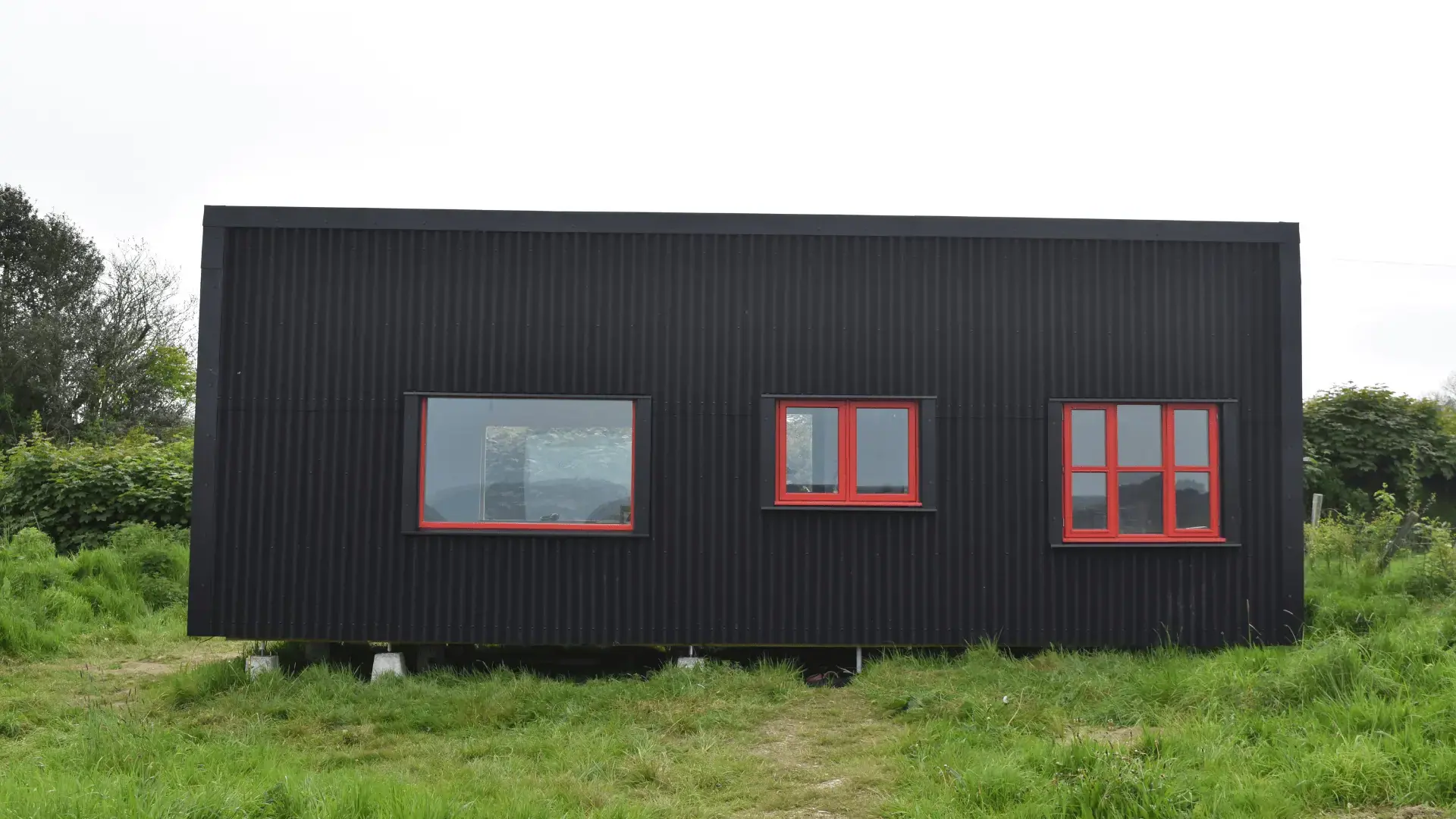
Low-impact foundation systems help avoid excessive excavation
Thoughtful orientation can improve natural light and passive heating
Landscaping can be minimal, allowing the natural environment to remain undisturbed
Longevity and Use
A sustainable build is one that remains useful over time. Durability and adaptability reduce the need for future replacements or renovations.
Plan for long-term flexibility rather than short-term trends
Choose materials and finishes that last and can be repaired if needed
Allow the interior to evolve with changing needs
A Simple Approach
Building carefully, using durable materials, and planning for energy-efficient living all contribute to a space that sits lightly on the land and remains enjoyable for years to come.
If you’d like support with your project, you’re welcome to get in touch at cabanco.co.uk/contact.